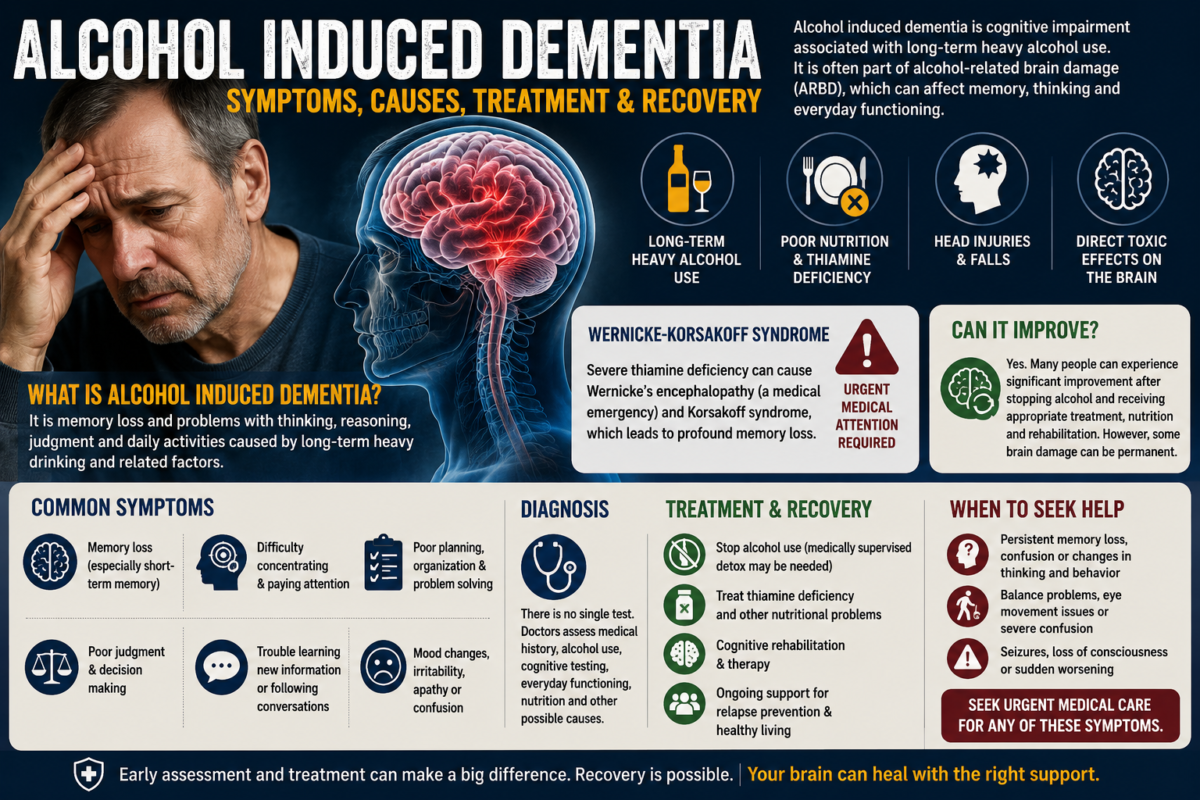
Alcohol induced dementia is a term commonly used to describe significant problems with memory, thinking, reasoning, and everyday functioning associated with long-term heavy alcohol use. However, health professionals often use the broader term alcohol-related brain damage (ARBD) because these conditions are not necessarily the same as progressive dementias such as Alzheimer’s disease. Alcohol-related brain damage […]
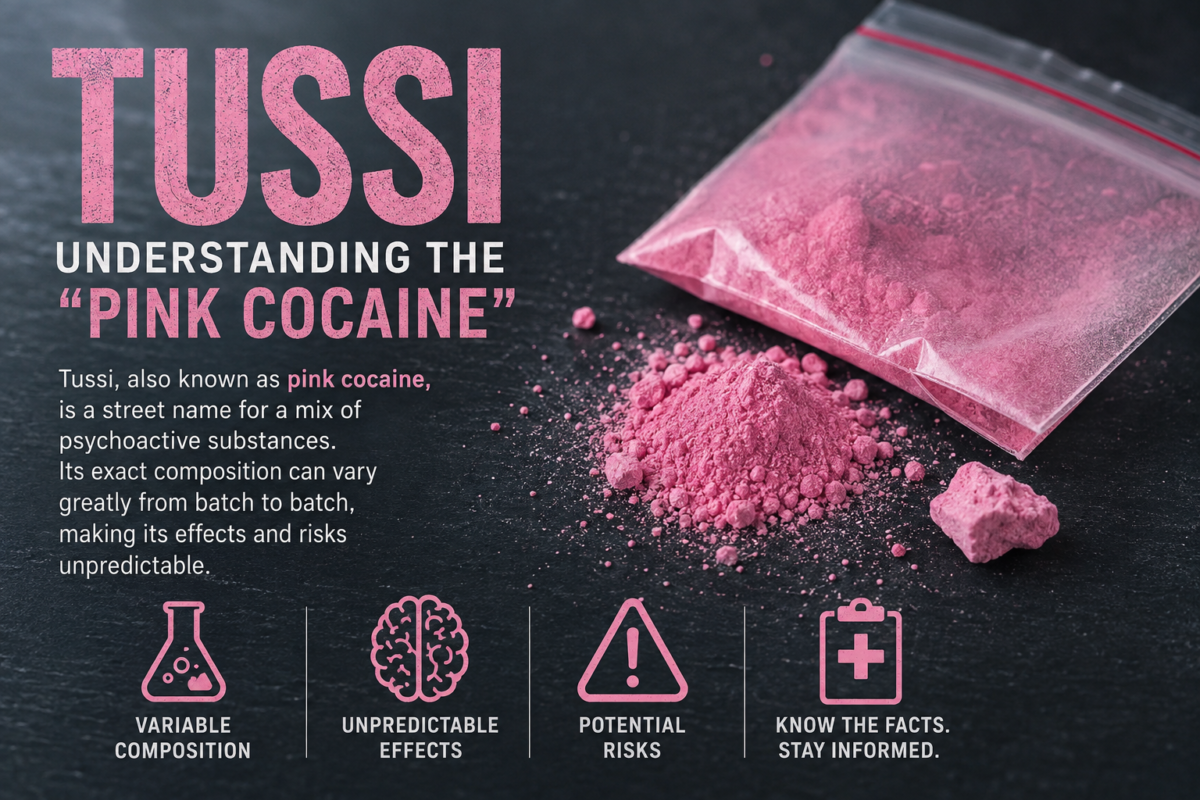
Tussi is a street name associated with a drug mixture commonly known as tusi, tuci, tucibí, or “pink cocaine.” Despite the name, modern tussi products are generally not a single standardized drug, and they usually are not simply cocaine. Laboratory testing and drug-checking programs have found that tusi commonly contains ketamine and MDMA, while other […]
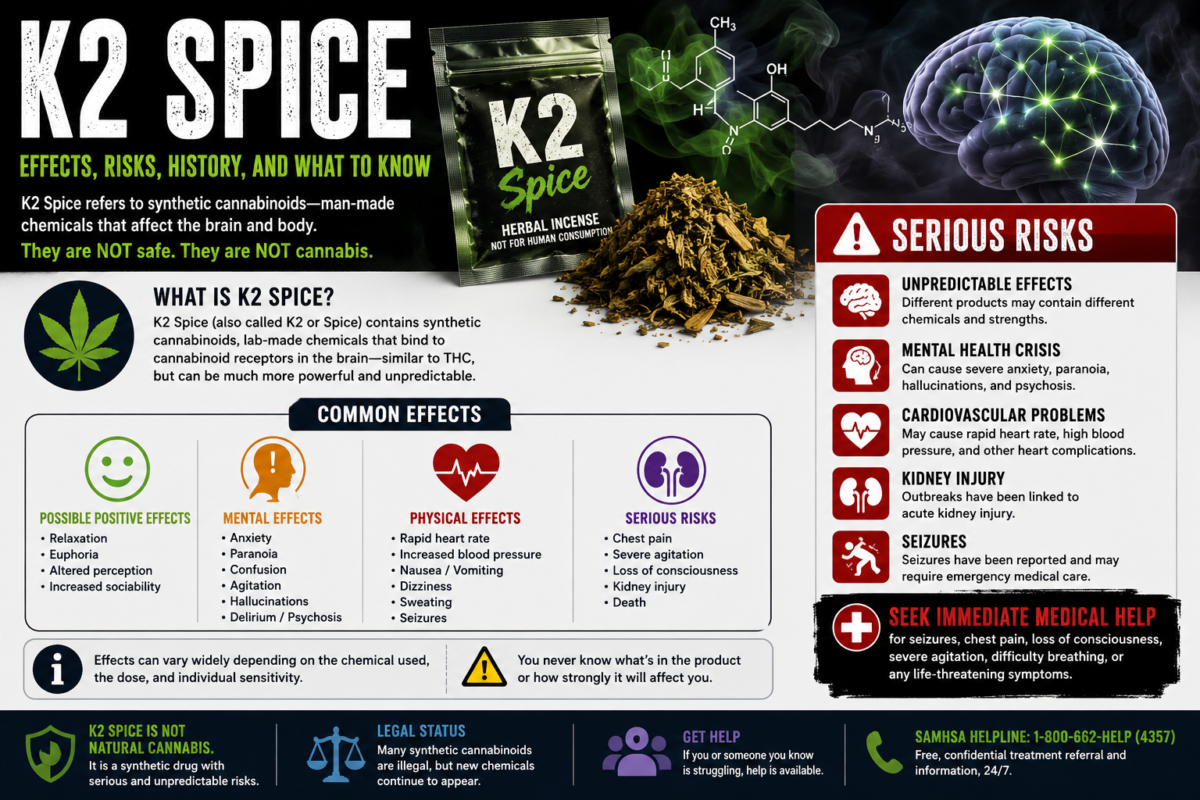
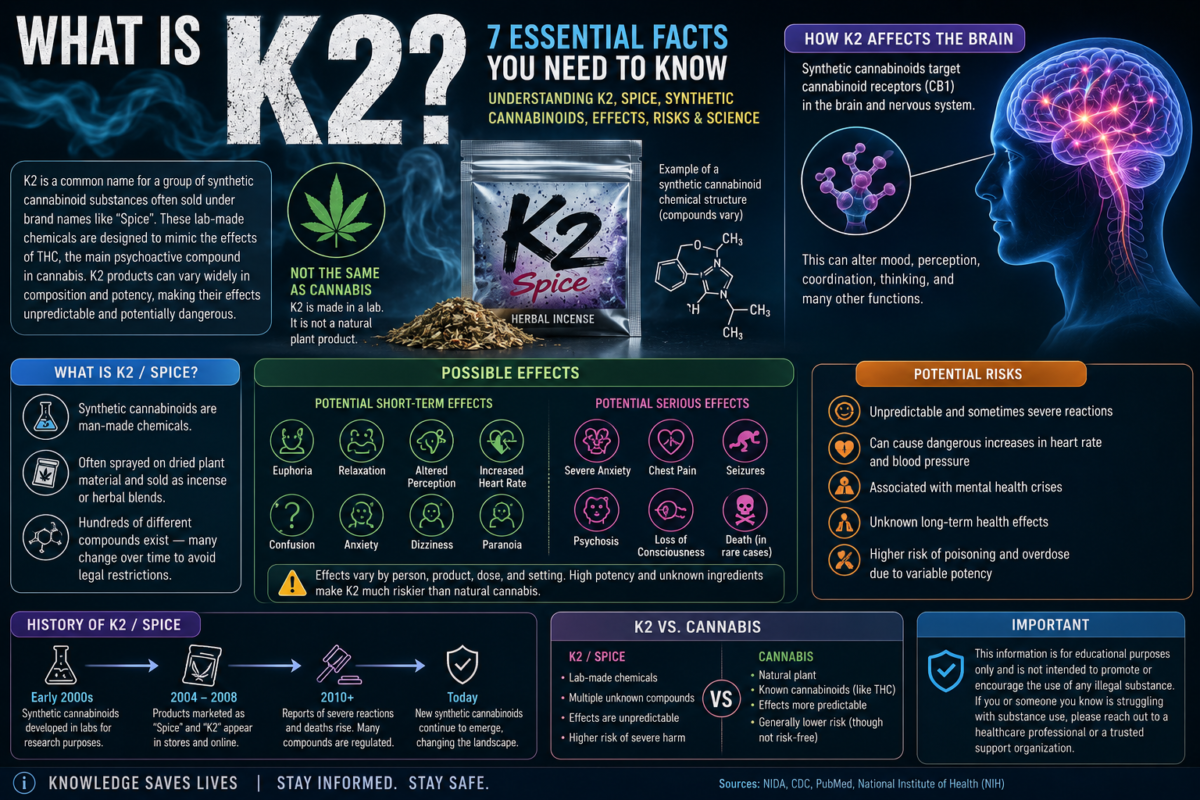
K2 Spice is a name commonly used for products containing synthetic cannabinoids, a broad group of laboratory-made chemicals designed to interact with cannabinoid receptors in the brain and body. These substances are sometimes marketed under names such as K2 or Spice and have also been incorrectly described as “synthetic marijuana.” They are not the same […]
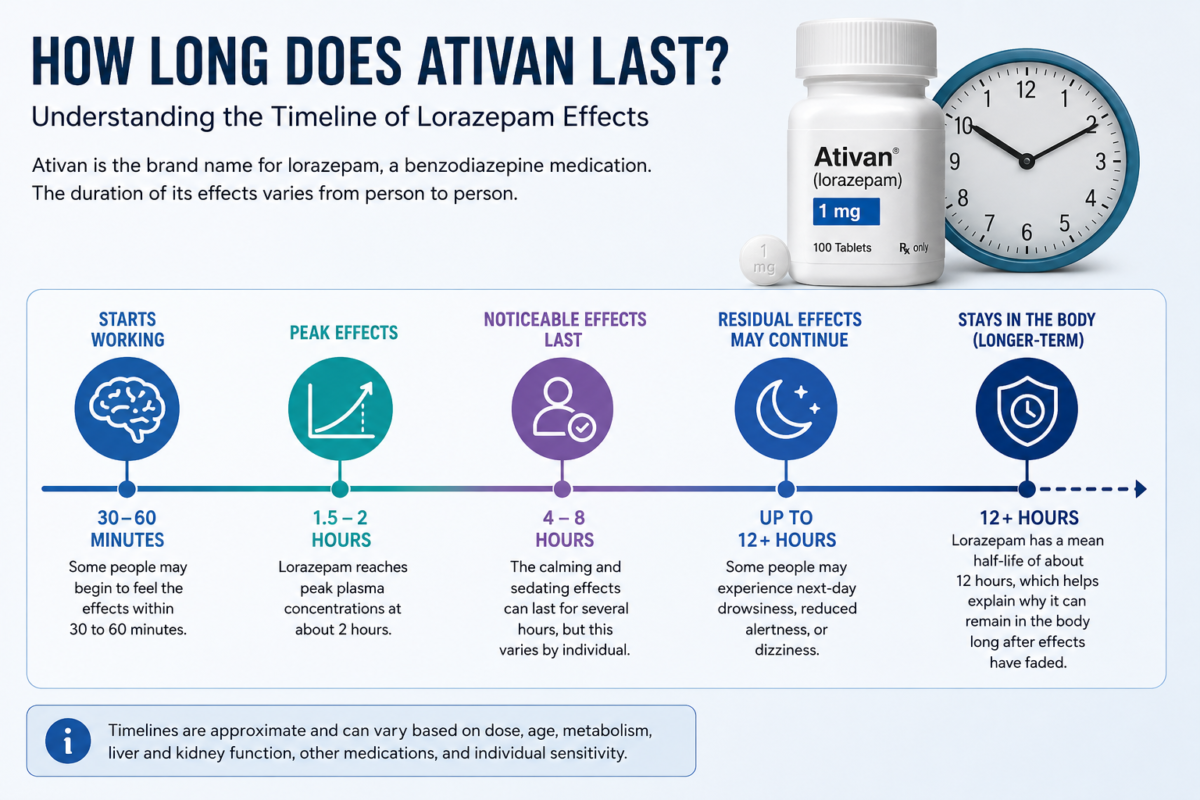
How long does Ativan last? The answer depends on what you mean by “last.” Ativan is the brand name for lorazepam, a benzodiazepine medication that can produce calming and sedating effects. The noticeable effects do not necessarily last for the same amount of time that lorazepam remains in the body. For oral Ativan tablets, lorazepam […]
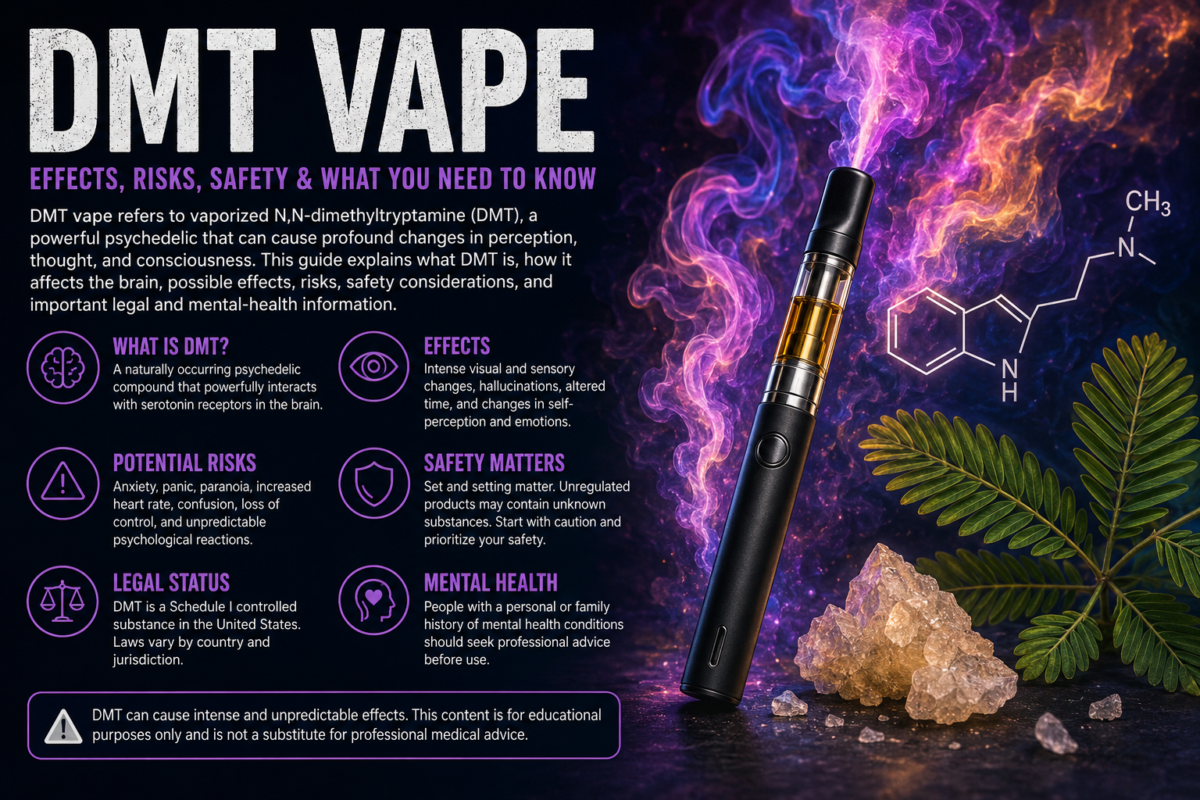
DMT vape is a term commonly used to describe a device or vaping method associated with vaporized N,N-dimethyltryptamine (DMT), a powerful psychedelic substance. DMT can produce profound changes in perception, mood, thinking, and the sense of time and reality. Because the effects can be intense and unpredictable, understanding the substance and its potential risks is […]
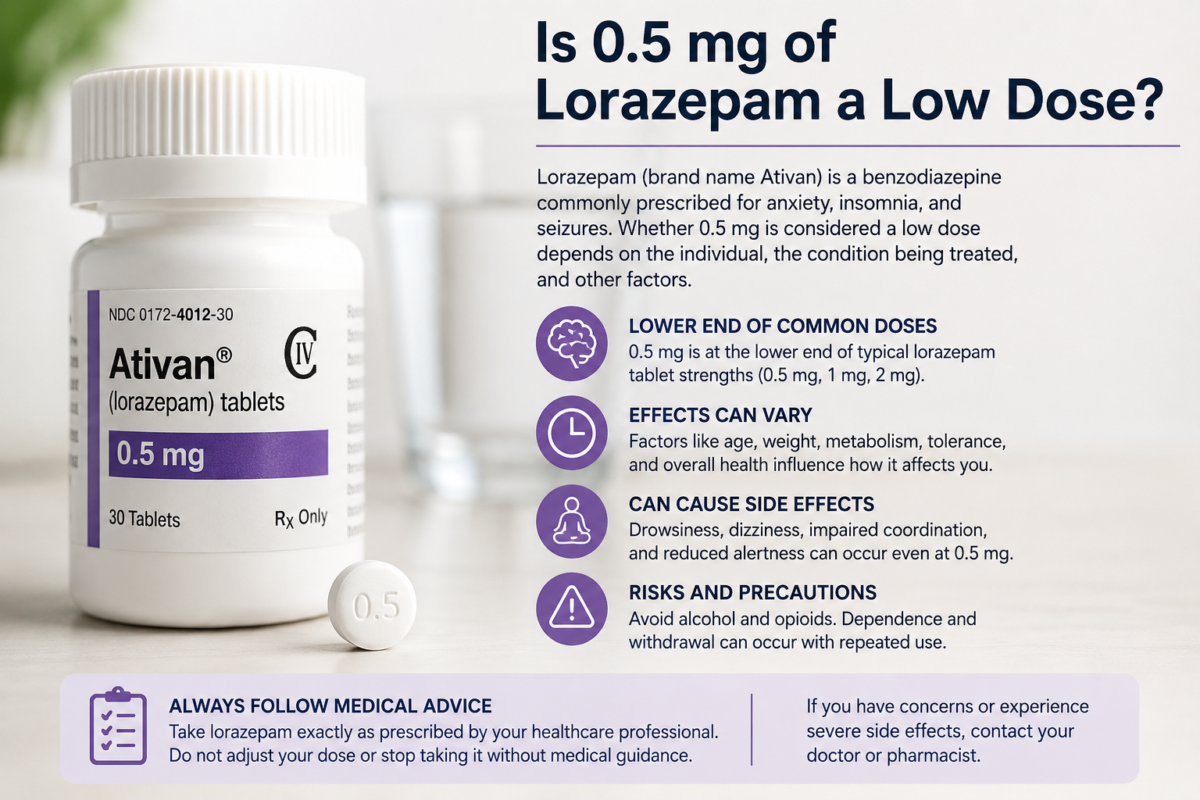
Is 0.5 mg of lorazepam a low dose? Generally, 0.5 mg is at the lower end of the available oral lorazepam tablet strengths, but whether it is considered a low dose for a particular person depends on the reason for treatment, age, health conditions, other medicines, previous benzodiazepine exposure, and individual response. Lorazepam is a […]
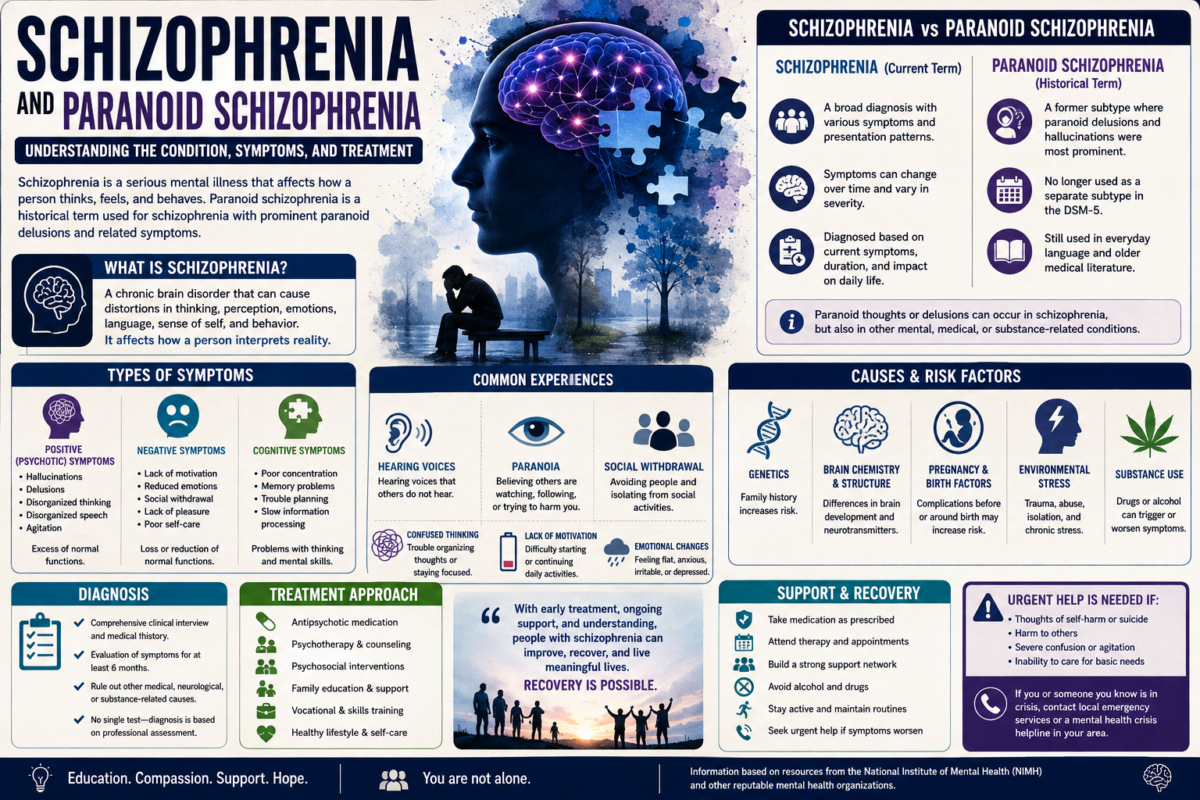
Schizophrenia and paranoid schizophrenia are terms often used when discussing serious psychotic disorders, but modern mental-health terminology requires an important distinction. Schizophrenia is a recognized psychiatric disorder involving disruptions in thinking, perception, emotions, behavior, and the ability to interpret reality. The term “paranoid schizophrenia” was historically used to describe a subtype characterized prominently by paranoid […]
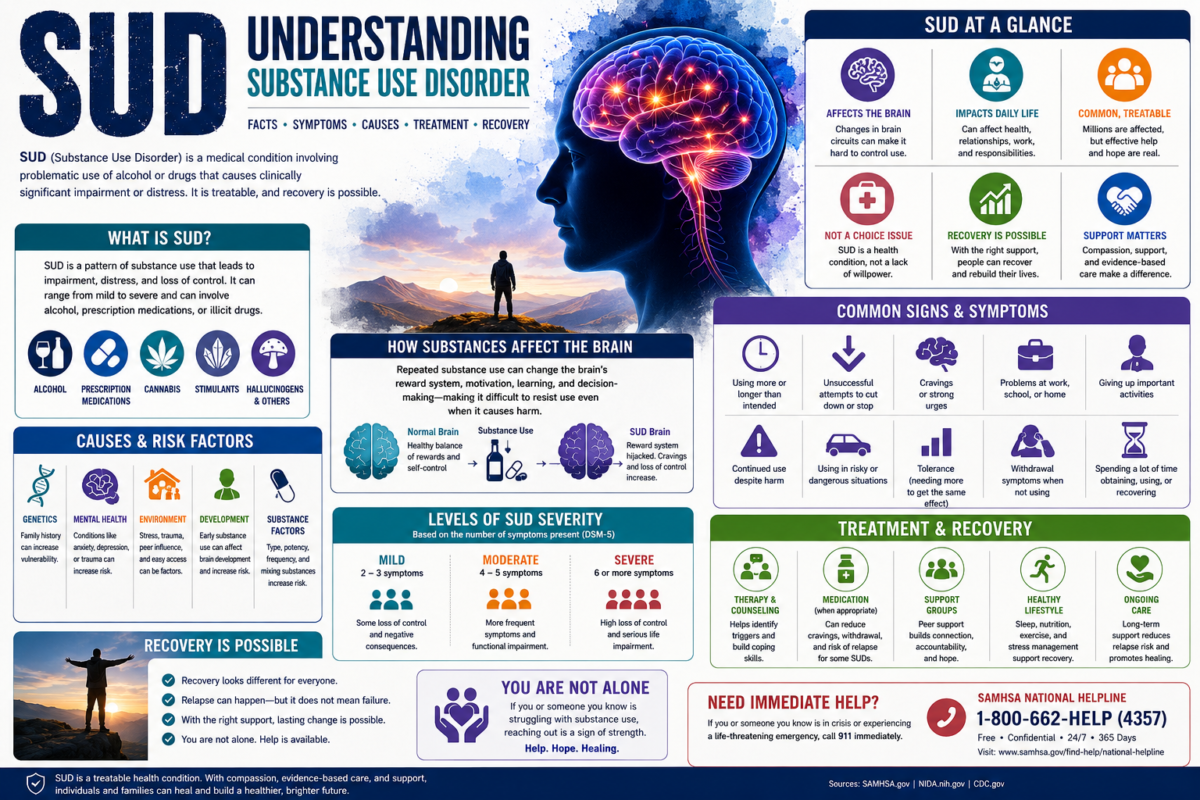
SUD stands for substance use disorder, a health condition involving problematic use of alcohol or drugs that can cause clinically significant impairment or distress. It can affect health, relationships, work, school, responsibilities, and everyday life. :contentReference[oaicite:0]{index=0} Understanding SUD requires more than simply asking whether someone uses drugs or alcohol. Substance use by itself does not […]
What is K2? K2 is a common name associated with a group of laboratory-made substances known as synthetic cannabinoids. The term is also connected with names such as “Spice,” although products sold under these labels can contain different chemicals and their composition can change over time. Unlike naturally occurring cannabis, synthetic cannabinoids are manufactured chemicals […]
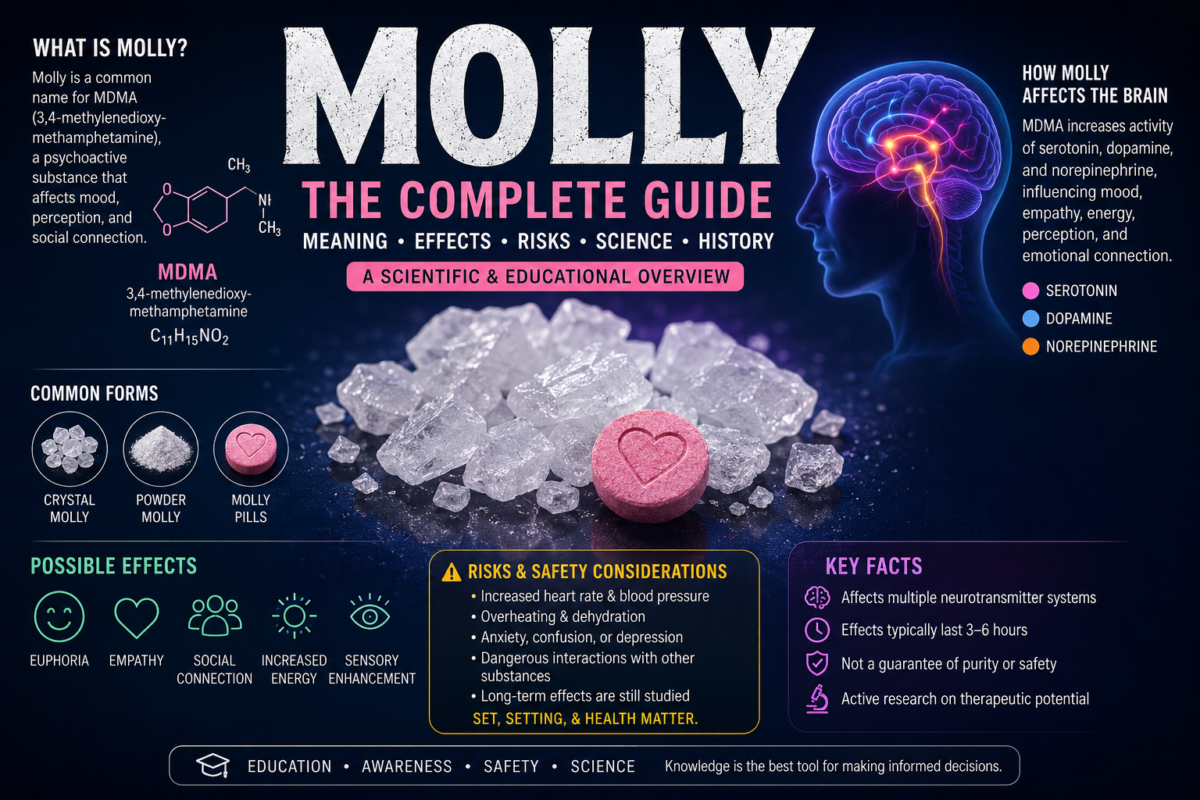
Molly is a common name used in discussions about MDMA, a psychoactive substance associated with changes in mood, perception, energy, and social experience. The term is widely used in popular culture and online conversations, but its meaning can be more complicated than the name suggests. Understanding Molly requires separating slang from verified chemical identity. The […]